

In 2003, Shailaja Rangarajan was living in Japan where she was struck by the meticulousness with which waste was segregated in that country. There were separate bins for every type of waste. A shampoo bottle and its cap each had its own bin, pathway and destination in the trash trail. Shailaja was equally amazed by how the waste handling crew reported for work every day dressed in crisp white overalls.
Back home in India in 2012, Shailaja recalled the Japan experience when her Whitefield area apartment complex in Bangalore was trying to decode new waste guidelines issued by the Karnataka State Pollution Control Board (KSPCB). A big part of this was the mandate that bulk waste generators (including apartment communities) start segregating their waste in-house.
She and a few other volunteers jumped in to help the community navigate the new requirements. Over the next few months, they nudged and coaxed residents into using separate bins for wet, dry and medical discards. They also set up their own composting unit to process the community’s collective kitchen waste.
Thanks to these efforts, they soon became a neighborhood model of responsible waste management. Whitefield Rising, a group that champions civic and social issues in the East Bangalore area, reached out to the volunteers to see if they could help other communities transition to better ways of handling waste.
For Shailaja, then a supply chain consultant who worked with various global clients, this was the beginning of several ongoing experiments with waste. She dedicated a big chunk of her weekends towards helping create awareness, following waste trucks and autos in their door-to-door collection routes, and physically going through bins to see if waste was being properly segregated.
She also found that working with the BBMP, Bangalore’s main municipal body, was a critical part of the effort. She talked to waste handlers about avoiding waste mixing in their trucks and sat in on discussions for setting up a Dry Waste Collection Centre (DWCC) in the Whitefield area where waste could be sorted and pushed into different streams.
It didn’t take her long to realize that our consumption patterns as a society were pushing the existing waste management apparatus to the brink.
“[There was a point when I was no longer just looking at my own household waste generation,” Shailaja said. “We were dealing with huge volumes of waste, tipper lorries full of them, and seeing landfills being overwhelmed. That’s when I started thinking – how much infra[structure] can we build to tackle this? How much is good enough?”
She began to wonder then if were alternatives to the cycle of buying and discarding that had become the norm in modern day consumerism.
Even if a zero waste way of living seems out of reach for most people, being aware of the carbon impact of our lifestyles is key. As Shailaja points out, Earth Overshoot Day, the date when our resource utilization exceeds what can be generated in that particular year, has been steadily advancing each year.
“We’re dipping into a future pool to make things easy today,” she says.
She adds: “Everybody was talking about the problems. But I was interested in what the solutions were. I felt that if we could tell people that it was within their reach to do something about the issue, they would respond. The good thing about us Indians is that upcycling has traditionally been a part of our DNA. It’s just that in the last couple of decades, we have moved away from it in the interest of convenience”.
This is when she decided to start a formal upcycling venture – one that was small in scale but founded on a larger ‘what if’ premise: Imagine the impact in a single day of consumption if every product we buy is an upcycled one.

Shailaja Rangarajan, Founder of Rimagined
Read on for Shailaja’s story on the launch of Rimagined and the shape it took over the next few years…
Rimagined 1.0 and 2.0
I started Rimagined as a marketplace in 2016. Before it launched, I made at least a hundred odd phone calls – to ask makers of upcycled products if they would be open to listing on the website. A handful of them signed on and I ran it as a marketplace for the first 15-16 months. I was particular about consistency in quality. But I also realized that when hobbyists make handmade items, they tend to price them at a premium. I didn’t want to be a curator of niche products. I wanted to appeal to consumers who care about aesthetics as well as utility and value. I asked myself: If I had to buy, what would I look for. Those are the kinds of products I wanted to create with Rimagined.
The opportunity to start my own production unit came the following year when an acquaintance in Kolkata reached out to me. She taught at a Kolkata-based school for children with special needs and from low-income families. My friend wondered if there was some way to employ the mothers who just sat outside and chatted while their children were in the classroom. I realized that they could be trained to produce some of the designs that I had been carrying in my head.
I made a trip to Kolkata and pitched the venture to a group of about 30 to 40 women in the group. The response was lukewarm. Only about five women came up at the end of the session saying they were interested in being a part of it. So, by the end of 2017, we started training the women in fabric cutting, sewing, and all the other basic skills needed for producing our items. Kolkata is still our primary production hub even today. I was always very clear that I wanted to provide a safe and healthy work environment and fair wages. I don’t believe that it’s about social impact; it’s just the right way to do business.
Sourcing and Figuring Out the Back End
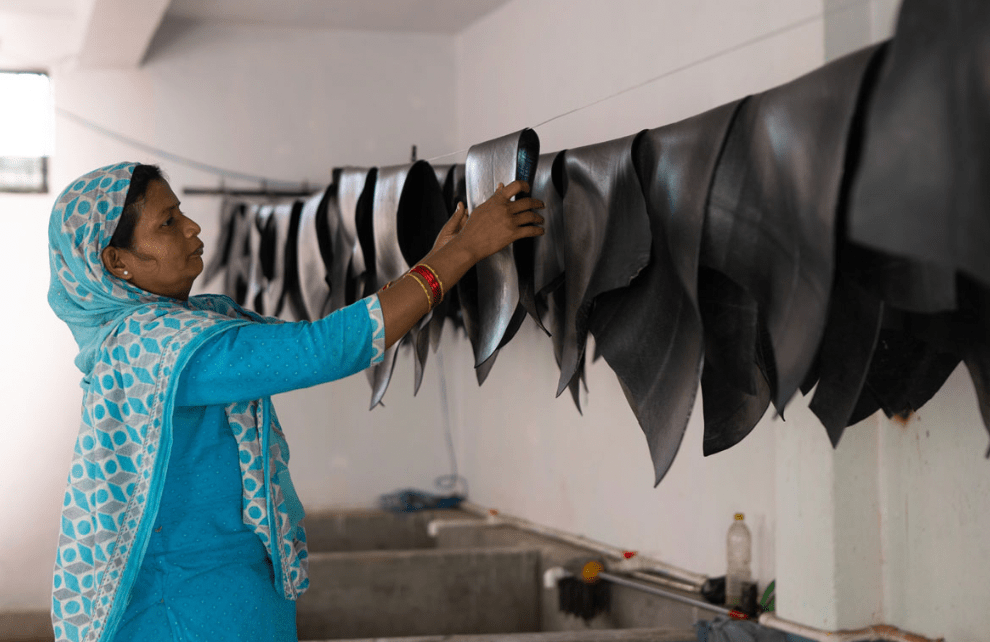
My experience in waste management was useful because I was able to get a good handle on the back end right away. I knew the different types of waste generated, how they travel and where they pile up. There is no shortcut to figuring out the back end — you have to go out in the market and do the groundwork. Before we zero in on a vendor and on raw materials, we have to be sure that sustained supply is possible, at the quantities and price points needed.
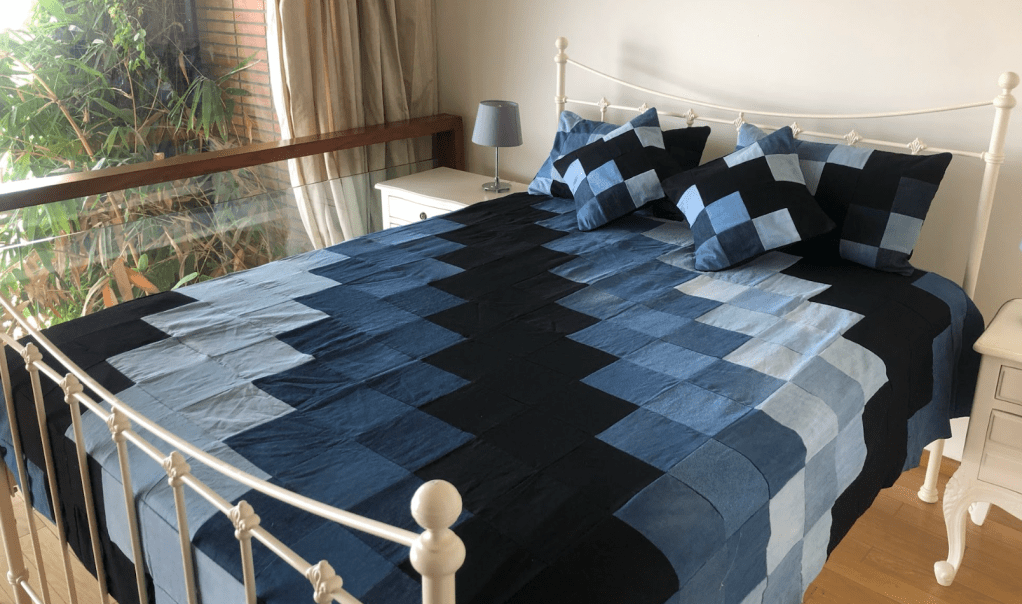
When we began, we were working with post-consumer denim. There is also a great deal of manufacturing waste, primarily textile bales, that never make it into production. We tap those sources whenever possible. Textile and plastic waste are among the top polluters and the potential to upcycle is highest with these materials. But there are many possibilities with other materials that often end up in landfills. We do a lot of work with tire tubes, for example. We are hoping we can start partnering with corporations to scale this effort and make a real difference in terms of diverting waste from landfills.
Pre-Covid Scale Up and the Covid Correction
Rimagined had really picked up steam before COVID. We had our own retail operation and had expanded production capacity at our Kolkata unit. We set up a wood scrap unit in Kolhapur to make upcycled home décor and furniture. As part of a collaboration with a Jaipur-based NGO, we had started weaving carpets from woollen yarn waste. In Bangalore, we had an apparel range upcycled from fabric waste.
Post COVID, everything came to a standstill due to the lockdown. In order to ensure that we could continue to support our Kolkata unit, we had to shut down other parts of the operations. When the lockdown lifted, the women in Kolkata also left because their husbands were able to get jobs elsewhere. We were a 30-member time at the peak of our operations but had to rebuild from zero in the wake of Covid. We now have 12 people — both men and women — in the team based out of Kolkata.
Designing for Small Orders and Big
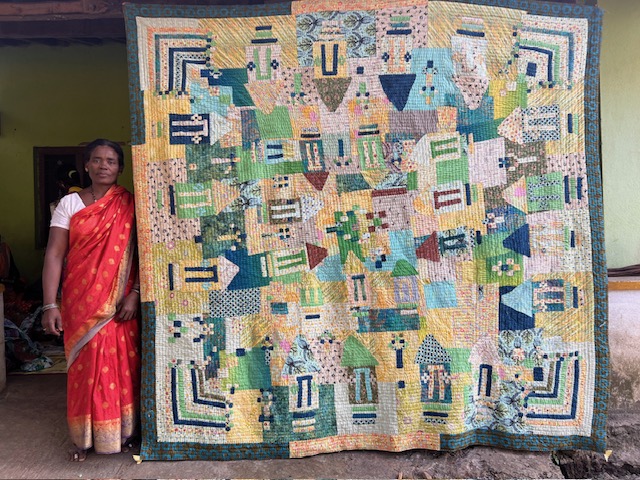
Some of my favorite custom projects are the memory quilts that people reach out to us to make. There are old saris passed from mother to daughters and that have so much meaning embedded in them. Sometimes they are fraying and we have to figure out how best to use the parts we can salvage.
I once made a beautiful keepsake quilt for a close friend whose beloved dog had passed away. We took her children’s old quilts that her dog had loved to sleep on, patched them together using old saris that belonged to her mother, embroidered a set of paw prints on one side and created a unique piece that she can hold on to forever. We take our time with special projects such as these. I spend a lot of time designing and conceptualizing, with help from my team of artisans.
I see that more corporates are trying to get meaningful gifts for employees. But we have a long way to before they can become mainstream buyers for us. They are often looking for large quantities, low costs and quick turnaround – say, 1000 units at Rs 150 or 200 a piece to be made and delivered in a matter of days. Our products are not machine made or mass produced and so we just can’t meet those terms.
Behavior Change, Producer Responsibility & the Circular Economy
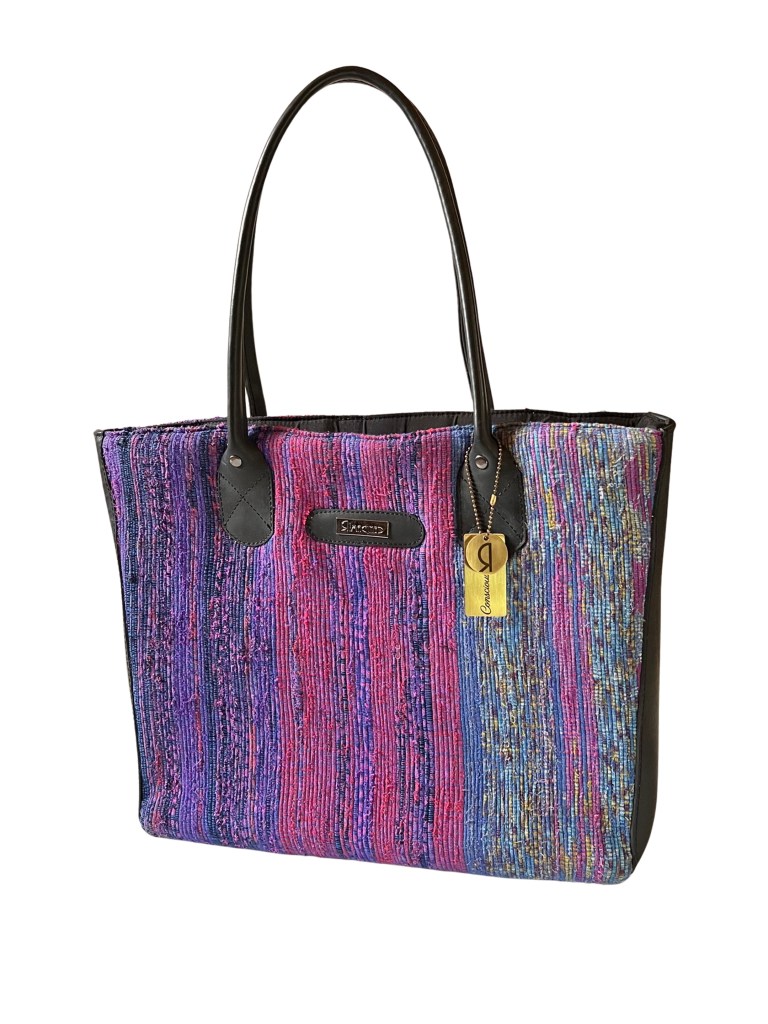
We are a growing economy and we have to expect a certain amount of aspirational buying among consumers. We have to give it more time before more people look at upcycled products as their first choice. There has to be greater investment in terms of marketing, awareness, category creation, and innovation. The ecosystem has to be built to support this initiative.
For impact at scale, you need more big players in the picture. But that calls for an investment on their end. Reverse logistics can be expensive, however, and may also add to the carbon footprint. We have to see how many decentralized clusters we can practically create to extract waste along the chain and bring it into the circular economy model.
There is a risk of complicating things for later. Plastic was never designed to be used the way it is used, for example. So, we need to pause and have the vision to think long term.
There are so many sustainability wave riders right now. Everybody wants to be seen in a certain light but for real impact, corporates have to invest time, energy and resources to look at long term solutions. Extended Producer Responsibility (EPR) is a good start but it has to be taken to a logical point.
My Goals With Rimagined
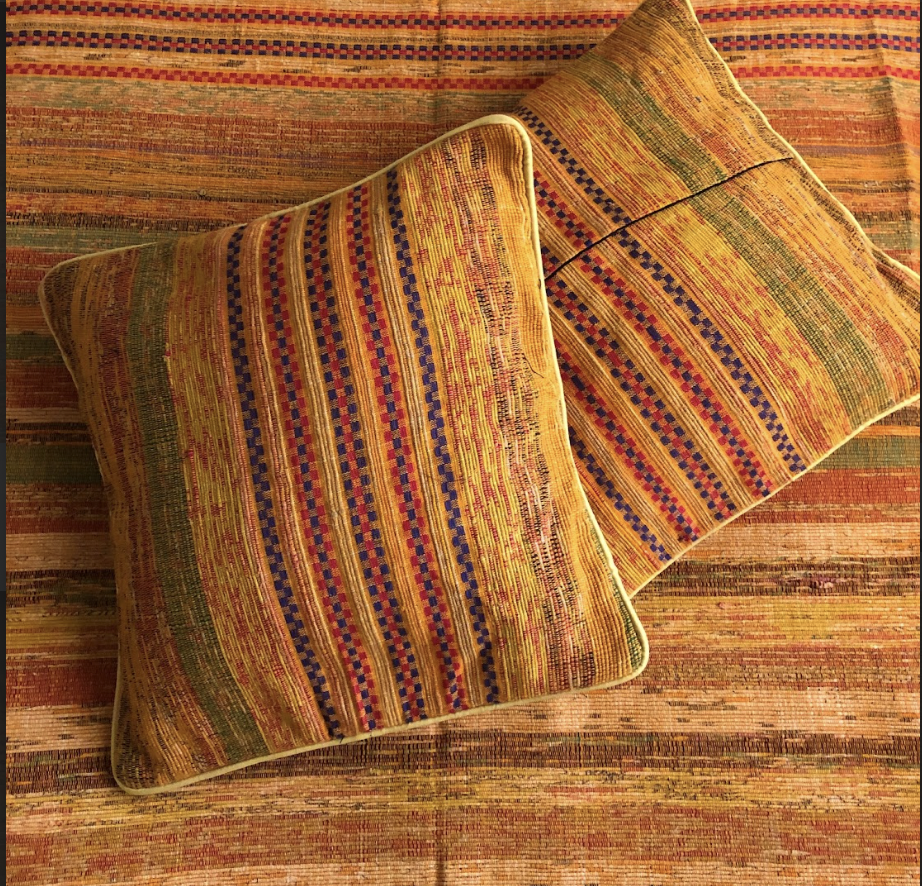
We have established our core strength in manufacturing over the last eight years. We can work with a wide range of materials and have the expertise to create quality products that nobody else can really make. Our strength lies in creating. We will continue to be a D2C brand. But our focus now is on positioning Rimagined as a manufacturer. If there are other parties seeking to build upcycled product labels, we can become their manufacturing partner.
We have been talking to such potential collaborators – from places like Germany and Switzerland – and these might soon materialize into tangible partnerships over the next few months. It’s a win win for both sides. They understand what consumers want. We understand materials and sourcing. It’s essentially a white labeling exercise. We are open to such partnerships in India as well. If anybody is interested in creating an upcycled product line, we can be your manufacturer.
We can also work with corporate producers and provide innovative solutions for their waste. In essence, we can become a sourcing partner so they have a responsible way to offload their waste. But if they can then become a buying partner who purchases the finished products from, that would really help to close the loop.
From a team of 12, we can become a team of 100, But we need these collaborations and conversations to take off first.
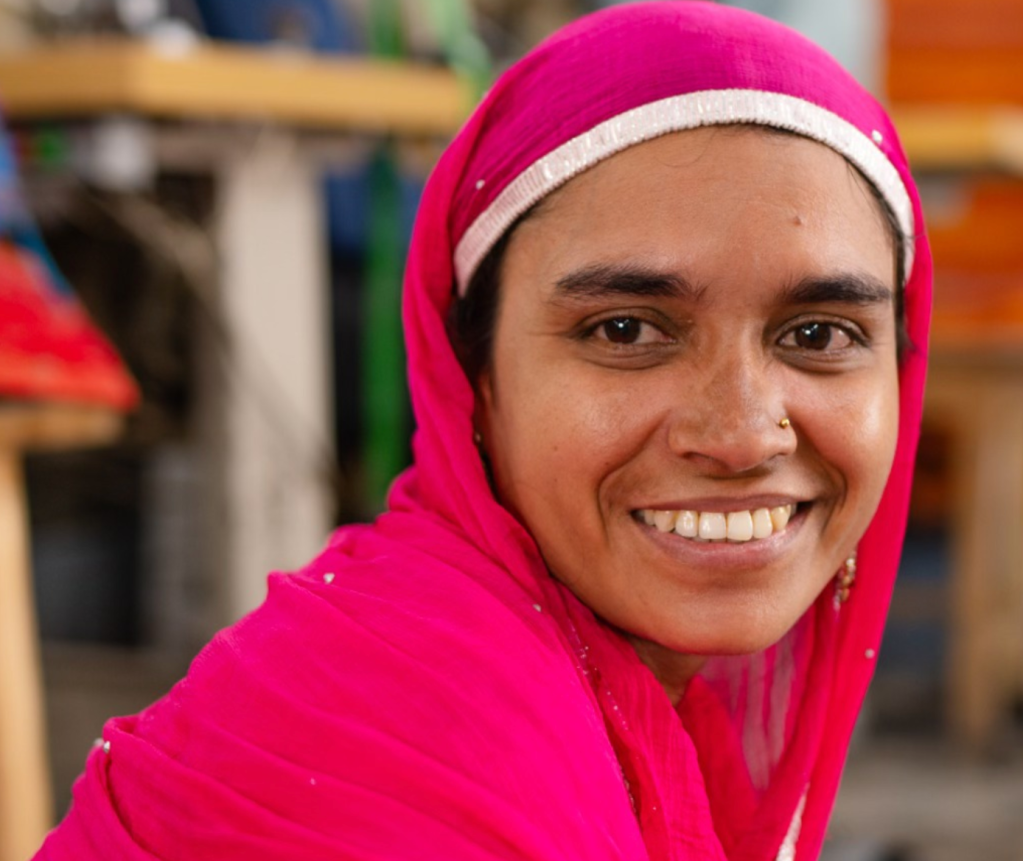
To view Rimagined products or to order, visit: https://rimagined.com/ or on Instagram @rimagined. For collaborations, sourcing and bulk orders, write to contactus@rimagined.com


 small & S..L..O..W
Leave a reply to Sangita Cancel reply