

Anitha N Reddy is rarely one to follow the crowd, especially when it comes to art or societal norms. “I am often called a rebel without a cause”, she laughs.
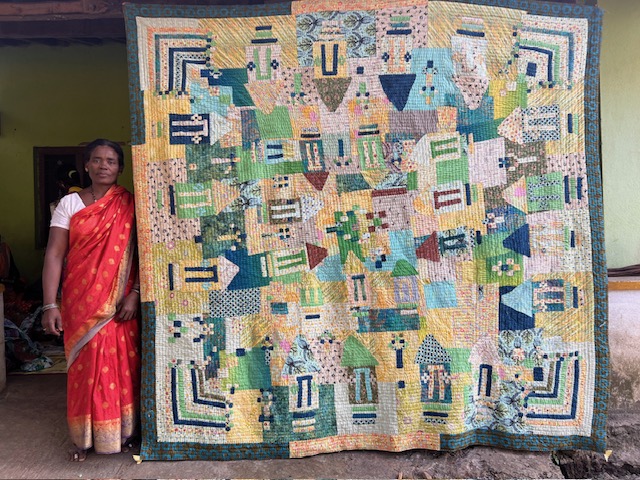
But in the work that this Bangalore-based art practitioner and researcher has been doing with the Siddi community of North Karnataka over the past 10 years, the cause is clearly defined. Her mission, she says, is to ‘marry traditional community practices with contemporary art”. Focusing on the hand stitched quilting tradition of the Siddis, she pushes women in the community to incorporate creative themes and motifs into pieces that were previously just utilitarian shields against cold North Karnataka winters.
Reddy is careful about not overstepping when working with the women. After all, she says, “This is a space where a lot of manipulation happens in the name of economic empowerment”.
Consequently, she is wary about imposing market-oriented demands on a tradition that belongs to the community. “Every community has to find its own way to preserve and sustain its practices”, she explains.
A Personal Connection to a Marginalized Community
The Siddis are descended from African people who were brought to India by Arab, Portuguese and other traders, starting in the 15th century. They were enslaved to a degree but also occupied various positions in the courts of Indian rulers. A large percentage of the approximately 50,000 Siddis based in the Indian subcontinent today are settled in North Karnataka.
In the past, and in modern times, Siddis have faced racial prejudice, discrimination and social isolation.
“There is a long history of abuse and being marginalized over generations”, Anitha says. “Their villages are often on the fringes – where the forest begins is where the village ends. To me, that clearly says ‘You are not welcome’”.
Anitha’s relationship with the Siddi community began more than 20 years ago when a close friend and classmate joined a theater program at the Ninasam Institute in the central part of the state. While there, he fell in love with a Siddi woman and the couple eventually married – overcoming the reservations of both sides and defying prevailing social mores. Anitha recalls an unconventional forest wedding and how she and other friends camped in the woods since there wasn’t enough lodging to accommodate all of the guests.
The Genesis of the Siddi Quilt Project
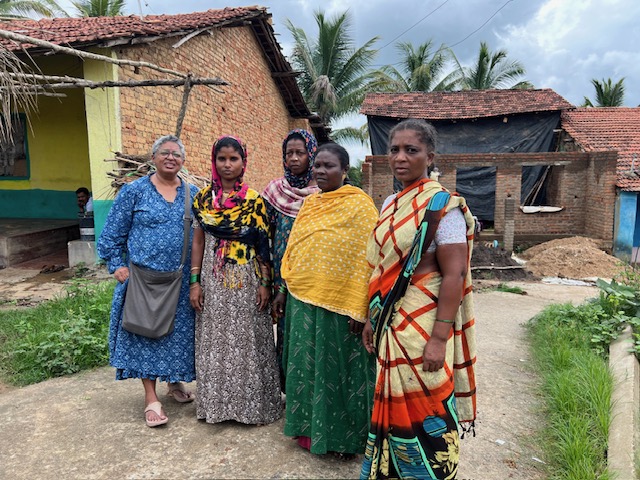
Anitha grew close to the parents and family of Girija, her friend’s Siddi wife, and started visiting them on an annual basis. It was at their home in Manchikeri, a small village in the Uttara Kannada district, that the idea for her quilting art initiative was born.
During one visit, she spotted a quilt with pieces of fabric arranged in a striking geometric fashion. One particular scrap of fabric looked very familiar and on closer inspection, she realized it was from an old dress of hers that she had passed on for someone in the family to use. It had been upcycled and incorporated in a colorful quilt that had been patched together by a Siddi woman in a neighboring village.
What started as a search for the creator of the quilt soon evolved into a full-fledged creative project —one that would involve more than 100 women from the community over the next ten years.
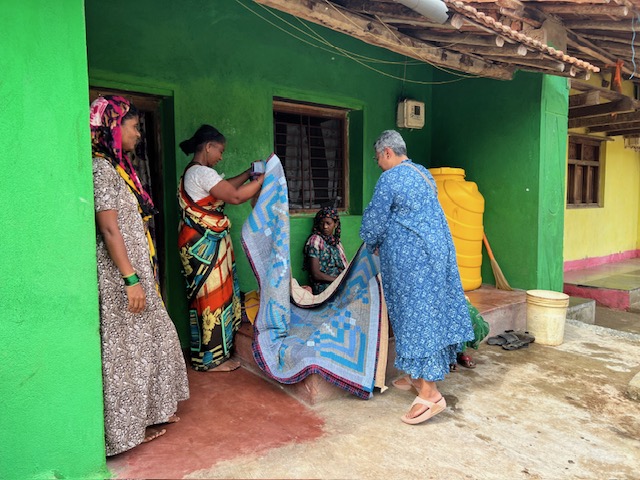
As a home-based tradition, quilting is not unique to the Siddis in North Karnataka but, due to the deep caste divide, the women in the community have no option but to make the quilts themselves to keep themselves and their families warm during winters. “They can’t approach a Maratha woman to make their quilts for them”, Anitha says. It’s an example of an intergenerational practice sustained by necessity, rather than a consciously developed craft, she adds.
When they started in 2017, she and Girija visited far-flung villages in the area to identify local quilters and convince them to join the project. For Girija, the journey was also a personal one as she reconnected with long separated relatives from across the region. With persistence, they were able to break through the skepticism they initially encountered and had soon mobilized close to 20 women for their first workshop.
While early workshops were held in a central location in Manchikeri, subsequent ones were organized across different villages to better engage those communities. Over time, Anitha transitioned to a more personalized approach, working with individuals or small groups of quilters in their homes. She sourced scrap fabric from tailors and other places to preserve the recycling ethos of traditional Siddi quilts.
Learning, Facilitation and Creating Unique Works of Art
The women soon adapted to using measuring tape and scissors, replacing the rough hand measures and tools they had always used. They also started working with cotton, a fabric that they had rarely used in the past because of its expense.
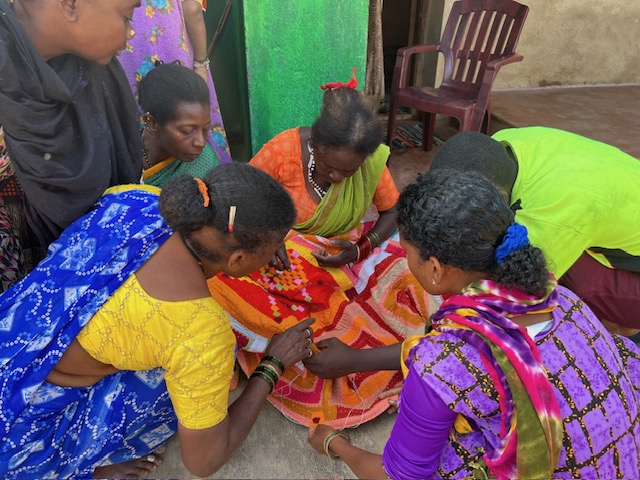
For her part, Anitha learned to recognize the unique signature that each woman imparted to her piece. She began to see how the fabric itself shaped the final look and aesthetics of the piece. And she was able to appreciate the organic way in which each piece was constructed by the women on their laps. Rather than following a structured layering process, they pieced fabric scraps together, starting from the edges and progressing towards the center.
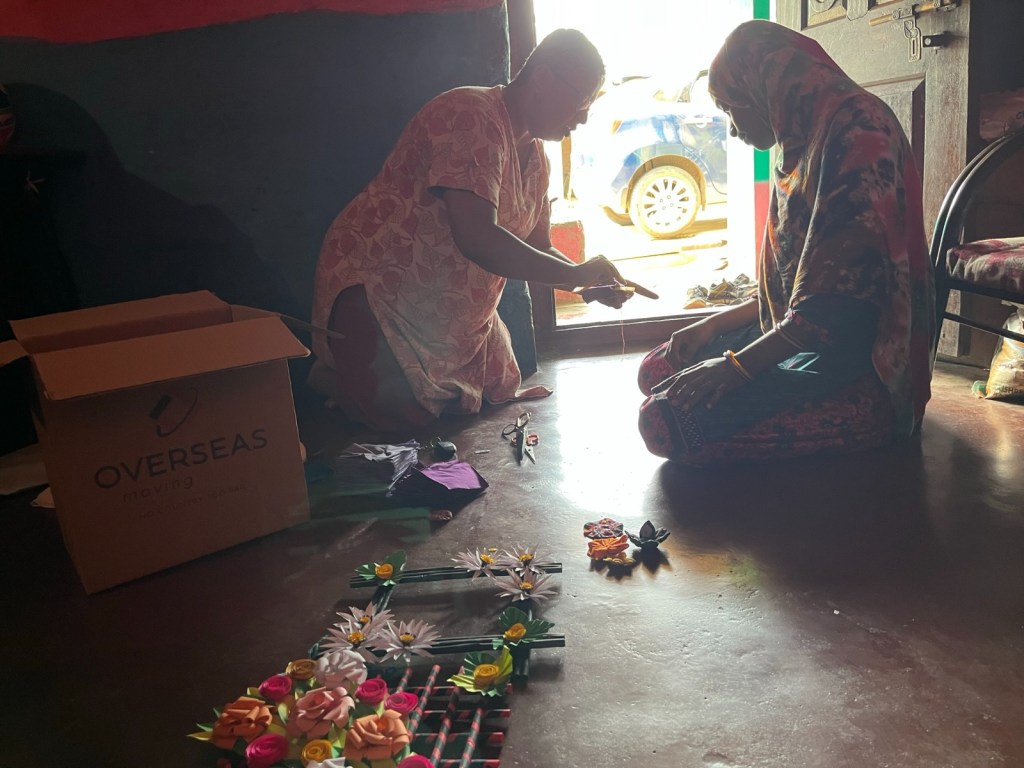
Anitha aims to help the women use the quilts as a medium of expression. With a background in psychoanalysis, she knows how to gently probe and get the women to open up about their lived experience. She then guides them in finding ways to translate those narratives into visual motifs.

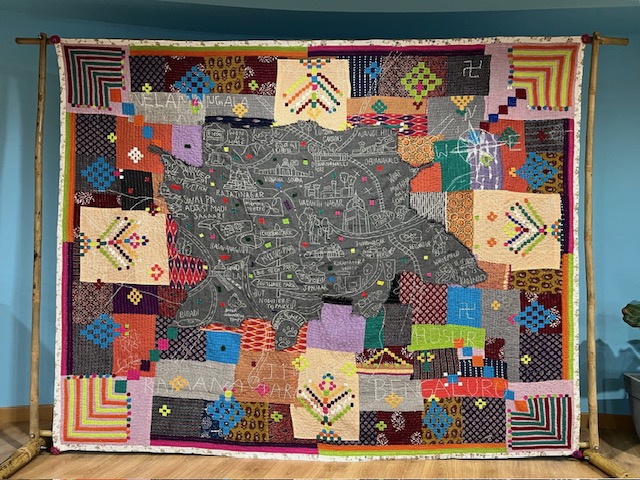
One woman shared – and then embedded in her quilt – the community activity of gathering teak seeds to sell for extra income. From another woman, Anitha was able to draw out her vision of an ideal world for her grandchild. Her quilt featured, among other things, a crab and a dog being walked by two people. It was a simple but beautiful reflection of her aspirations for the unborn child. And then there was the skilled embroidery artist in the group, she said, who added “flowy floral motifs” to her quilts, giving them a unique, distinctive look. She hadn’t shown this work to anyone yet, she said, because she hoped to display it soon at a gallery or art exhibit.
Global Exposure and Finding Their Footing as Artists
While several women have joined self-help groups to try and monetize their skills, the most important shift goes beyond economic empowerment. “[The project] really allows them to value their work as art”, Anitha says.
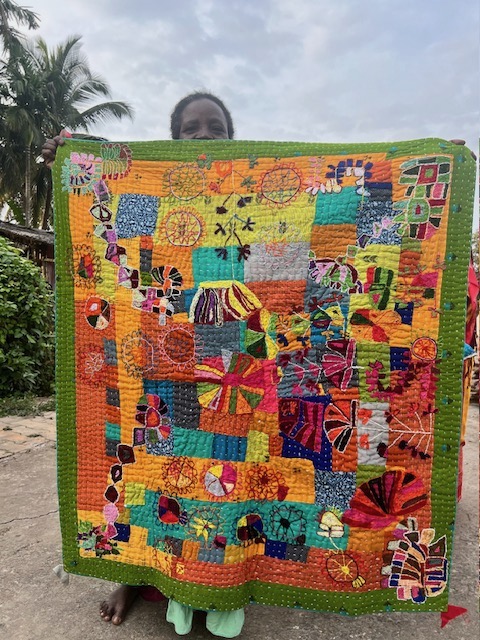
For starters, they have presented their work in local schools and helped create a tangible asset for a community that has relied solely on oral history to preserve its culture. The women now feel more comfortable travelling outside their villages to where their work is being showcased. Last year, Anitha was able to get about 20 women to come to Bangalore for a collaborative art installation managed by the Australian Centre of Contemporary Arts. Some of the quilts have made it to a museum in Germany for a curated show. In April this year, Anitha – along with three women from the community – is heading to Jodhpur to participate in an art residency. And next year, she hopes to take three more women to New York City for a talk and exhibit.
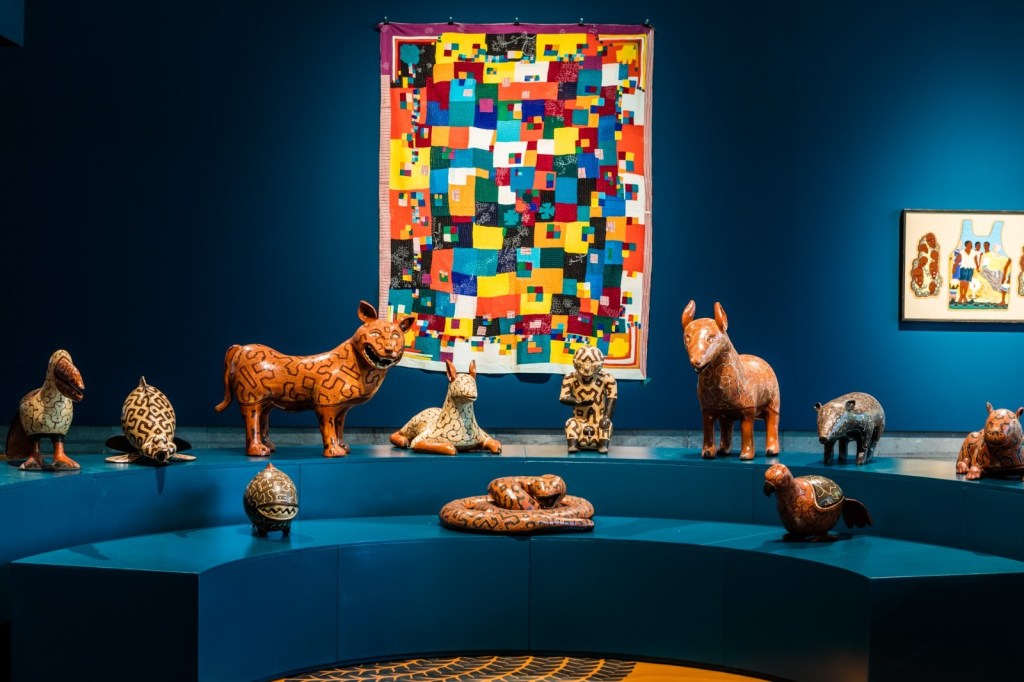
All of this exposure means the women are better able to hold their own in a negotiation. Recently, Anitha says, one of them had a Maratha woman approach her to make a quilt for her daughter’s wedding. The Siddi woman responded that she would as long as the other person was willing to accept the creative outcome that emerged from the fabric scraps. The exchange showed that a long standing caste barrier was finally crumbling.
Currently, Anitha visits the women in their villages every few months to connect, facilitate, and explore new ways of engaging with their practices. During these visits, she collects the completed quilts and delivers fabric for future work. She says that people who would like to order custom quilts can reach out to her. She personally oversees the production and helps coordinate the delivery of the final product. While they are sure to end up with a piece that is unique and special, Anitha adds: “You can’t dictate the end result. You have to take what’s there.”
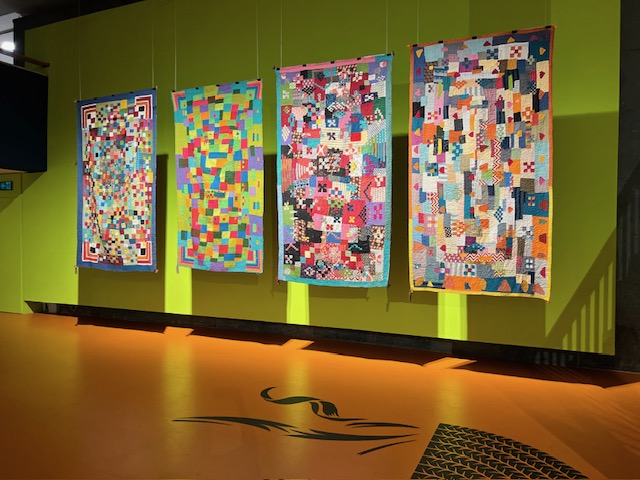
For updates on the Siddi Quilt Project, follow @anithanreddy ; To order a colorful custom quilt, dm Anitha or reach out to her via WhatsApp on +919341221307
 small & S..L..O..W
Leave a comment