

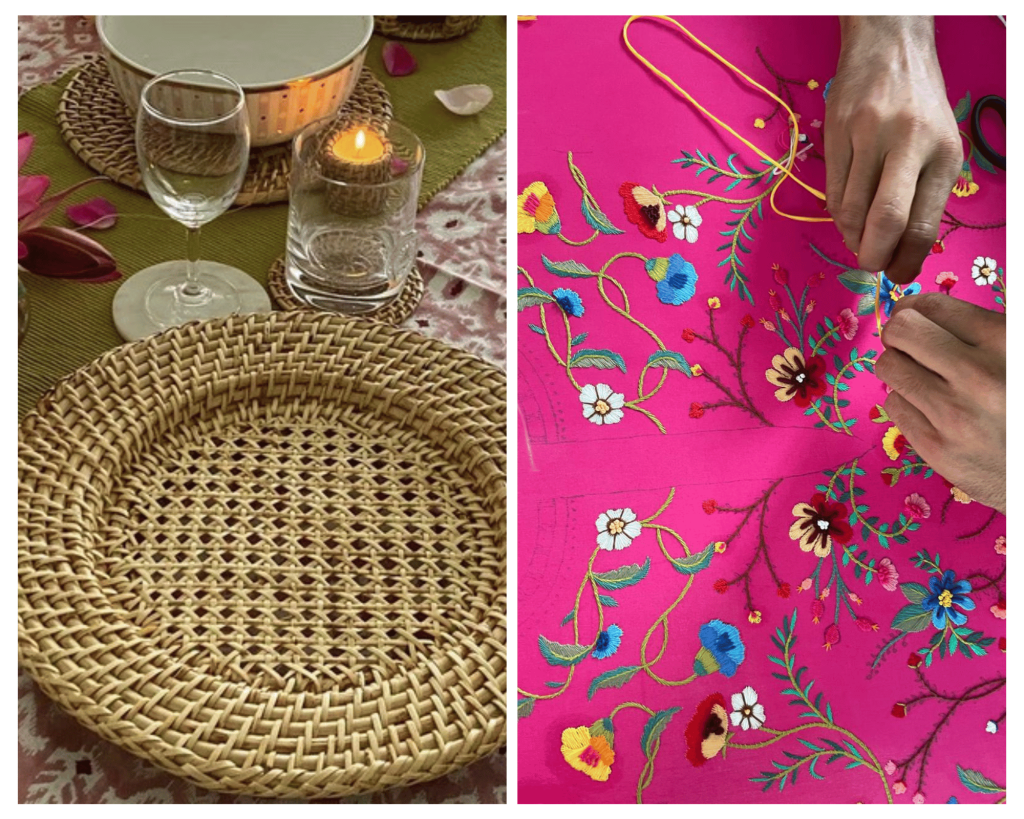
The craft revolution in India is being fueled by a growing fascination with all things handmade as well as by creative entrepreneurs who are using their design sensibilities to reimagine traditional skills.
Aakanksha Batra and Sosha Thomas are two such entrepreneurs, each with her own vision for showcasing crafts from a specific geography. Through The Green Collective, Aakanksha is working with cane and bamboo artisans in Assam to create unique home accessories and tableware. Meanwhile, Bangalore-based Sosha Thomas is using her background in fashion design to shine a light on the intricate embroidery work of skilled craft workers in West Bengal.
Read on to learn more about these two talented women and the ventures they have launched:
The Green Collective: A Global Aesthetic for Cane Products from Assam
When Aakanksha Batra got married and moved with her husband from Mumbai to a small town in Assam five years ago, she was struck by the challenges that residents of the region faced.
She said: “[In many ways], the Northeast is still 20 years behind other parts of the country. The disparity in living standards and lack of infrastructure is very real. But nobody really covers this.”
During her trips to the local market, she noticed an abundance of cane products – products that were well made and sturdy but seemed dated and overly rustic when it came to finish. In addition, although artisans in the area were organized to the extent that they worked in clusters to produce their goods, they struggled to get regular business and sustained income through their efforts.
Aakansha instinctively felt there was potential to start a creative venture that could also change their circumstances in life.
She said: “These artisans had craft skills as well as raw materials easily available to them. I had some design ideas in my head and knew a thing or two about marketing. I felt that we could do something more impactful and interesting by combining these two competencies.”
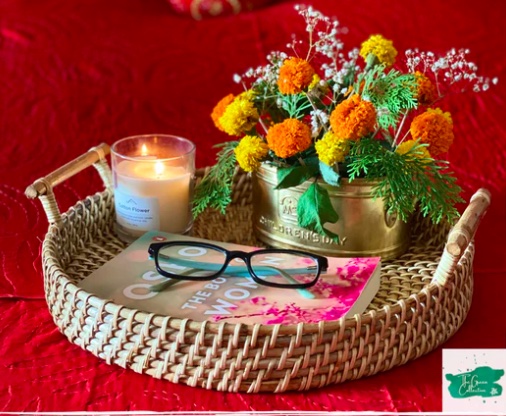
There were possibilities in both bamboo and cane, Aakanksha felt, for multi-functional and aesthetically pleasing home accessories. Inspired by her mother-in-law’s tableware, she got a few samples of dining and serving essentials made. The samples were part of the original line-up when she launched her brand in late 2020. Called the Buniyaad edit, the collection consists of placemats, coasters, small baskets and more.
Before her move to Assam about five years ago, Aakanksha had been living in Mumbai and working in a cross-functional role at the cosmetics startup, Nykaa. She had done stints at other ventures by then – across the spaces of luxury fashion and curated gastronomic experiences. She also had an MBA degree from INSEAD under her belt and as someone who grew up with her family’s food product business in Dehradun, was familiar with various aspects of running a business.
Although she lacked formal design training, she believes that the combined learning from all her work experiences have been invaluable during her solo-preneurial journey at TGC.
“Everything I do at the TGC, I learnt in my previous jobs. Through the fashion business, I learnt that you can present a beautiful front even if things are chaotic behind the scenes. When I worked at the experiences startup, I learnt about ways to inspire confidence in customers. I have done food deliveries myself to see what delivery partners experience on the ground. And Nykaa just gave me exposure to a whole lot of things.”
Aakanksha started frequenting the local market, armed with pictures of products that she wanted made. Her husband stepped in to be her translator when she had trouble getting through to local artisans who spoke a form of Bangladesh Bengali that she was not familiar with.
They became interested as they realized she was offering them a route to steady orders and income. She started sharing images of desired designs – napkin rings, charger plates and more – on Whatsapp and they would respond with their feasibility and cost estimates for making these. Finally, with her first set of products ready, Aakanksha soft launched the brand on Instagram in November of 2020 and went live with the website in early 2021.
“We called it The Green Collective in order to keep it more open ended. What if we wanted to go beyond cane and the category of home? We needed a name that didn’t just represent one category.”
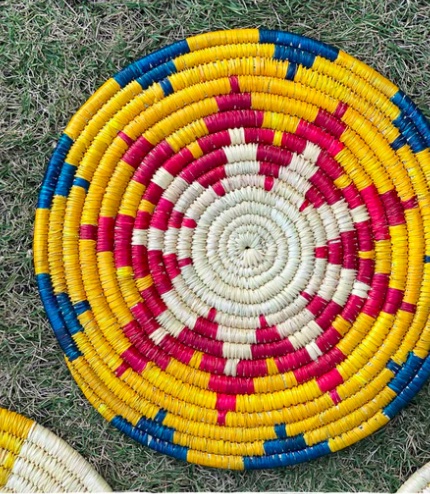
A wall plate that can also serve as a table mat made from Moonj grass
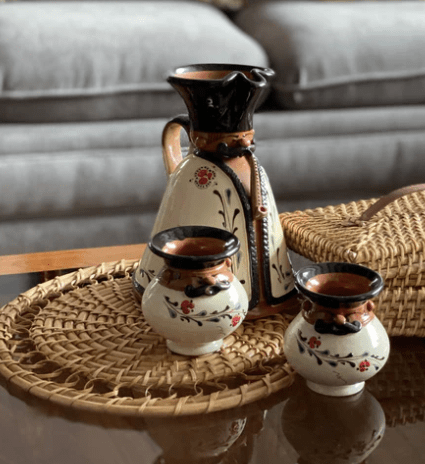
All that was needed were a few modifications, Aakanksha found, to remake traditional products into ones that fit the needs of a global consumer – like a rattan sushi platter that was adapted from a rice winnowing tray. She doesn’t expect the artisans to change their view of its functionality, however. For example, the cakestand in her collection is called a ‘paan thaali’ by those who work on it, she says with a laugh.
Apart from bamboo, cane and local Moonj grass, several TGC products – such as its pretty planters – are made with water hyacinth, an invasive plant species that grows unchecked in Assam’s many water bodies.
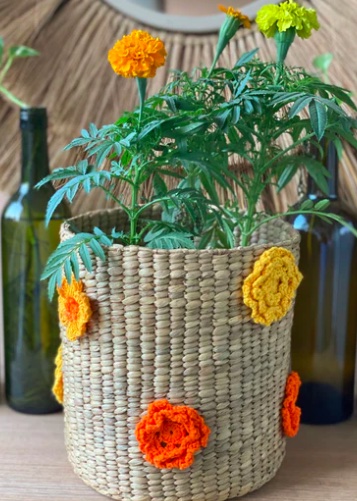
Since the materials she was working with were locally sourced and inherently sustainable, Aakanksha wanted to have that aspect permeate all facets of business – from production to packaging and shipping. Having grown up in the verdant Dehradun of the 1990s, sustainability was ingrained in her DNA, she says.
“Everyone from Dehradun of that era is a romantic and poet at heart. The environment has shaped us in some capacity.”
Still, she knows she has to be practical at times. For instance, although she was determined to be plastic-free with her packaging, she has also realized that bubble wrap can’t be eschewed entirely.
Over the more than three years since TGC’s launch, there have been ups and down in the journey. Aakanksha says she feels validated and buoyed by positive customer reactions to the brand. Such as from the person who wrote to her to say that she really liked TGC’s quality as compared to products from the larger and more prominent Nicobar brand.
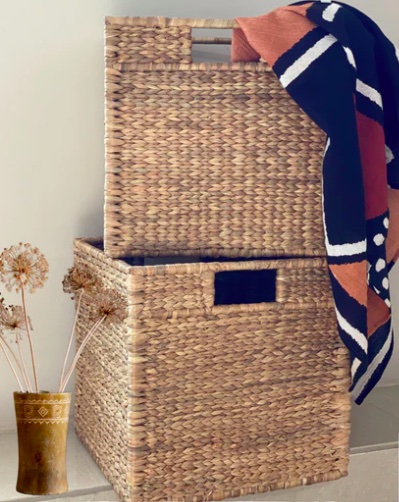
She currently works with twelve artisan families in the region. Some of them have been able to upgrade from the mud homes they previously lived in since they started working with her. She pushes the women in the families to get involved in the work although it has historically been a male-dominated craft, she says.
Still, running an online brand with production based in a remote part of Assam is no cakewalk. Aakanksha and her husband currently live in Guwahati which is now also the hub of TGC’s logistics across packaging and shipping. Since they started, they have been able to slash their turnaround time on deliveries from ten days to two – a huge step forward for a small brand that has to contend with delivery expectations set by the likes of Amazon. She recently moved her business listing out of Amazon and to other platforms such as Jaypore and LBB that offered her more friendly terms. The previous year was not easy for business, she says – with sales from these third party platforms and their own direct marketing efforts falling short. Sustainability is not always an easy sell in India, she has realized.
But there are other avenues she is exploring to keep her small craft venture growing at a healthy pace. She hopes to land more corporate orders and, following some conversations with potential overseas partners, is looking to tap the export market for new business.
She knows that will call for a different type of order customization.
“We sell placemats in sets of 6. In Europe, they don’t need more than sets of 4. Ideally, they would prefer it if we sold them as single placemats.”
To order TGC products, visit https://thegreencollective.in/. For collaborations, write to Aakansha at thegreencollective.tgc@gmail.com
S24 P: A Fresh & Contemporary Take on Traditional Embroidery Techniques
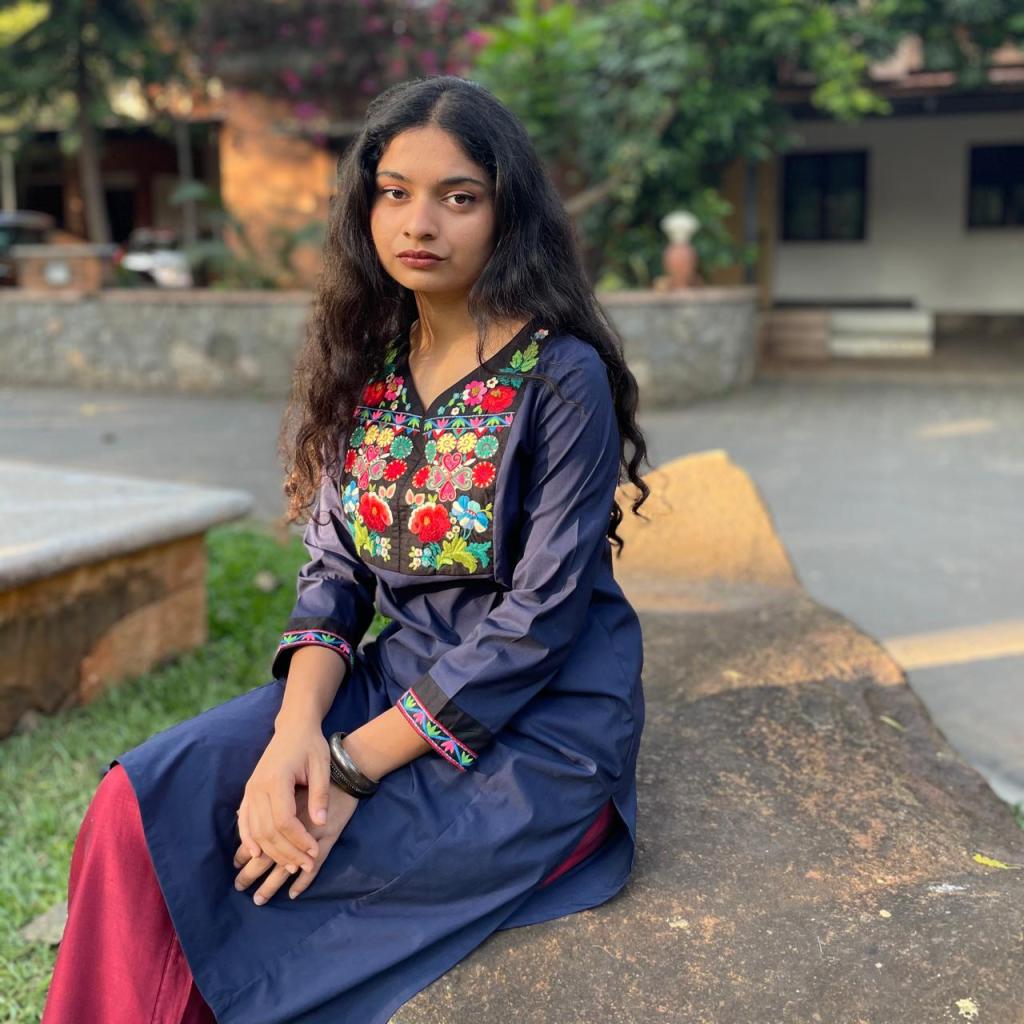
The first time S24 P’s clothing cropped up on my Instagram feed, I had to pause my scrolling to take in the beauty of the embroidery in the clothing – laid out in vibrant shades of red, magenta, green and more. The collection has an attractive boho feel to it – with breezy dresses and tops perfect for a summer getaway.
When I reached out to Sosha Thomas, the creative force behind this small homegrown label, for an interview, she responded in her characteristic self-effacing style: “Our karigars would love to be featured on your blog”.
Keeping the karigar (artisan) at the centre is the guiding spirit of S24 P, abbreviated from South 24 Parganas – the West Bengal district where the brand’s artisans are based.
An early graduate of NIFT in Delhi, Sosha is a seasoned designer whose embroidery creations are used by leading fashion clients in the US and UK. Now based in Bangalore, she also consults with prominent export houses in the garments space. Before she started S24 P in 2020, she was busy with this work and was not really looking to ‘start a domestic brand’, she says.
But an SOS call from an artisan, originally from West Bengal, who was stranded in Bangalore and struggling to find work in the midst of Covid, got her thinking about how she could leverage her expertise and connections with artisans to create something unique and meaningful at the same time.
After talking to others based in the district, she felt there was promise there. The villages in the Sundarbans are home to many primarily Muslim families who have generational knowledge of embroidery techniques such as aari, zardozi and kantha. Despite these priceless skills, many struggle to make a living because of the uneven nature of orders and the seasonality of other work.
Sosha decided to test the waters with an initial set of about ten blouses. The response to the collection was so good that she knew it was an experiment worth continuing.
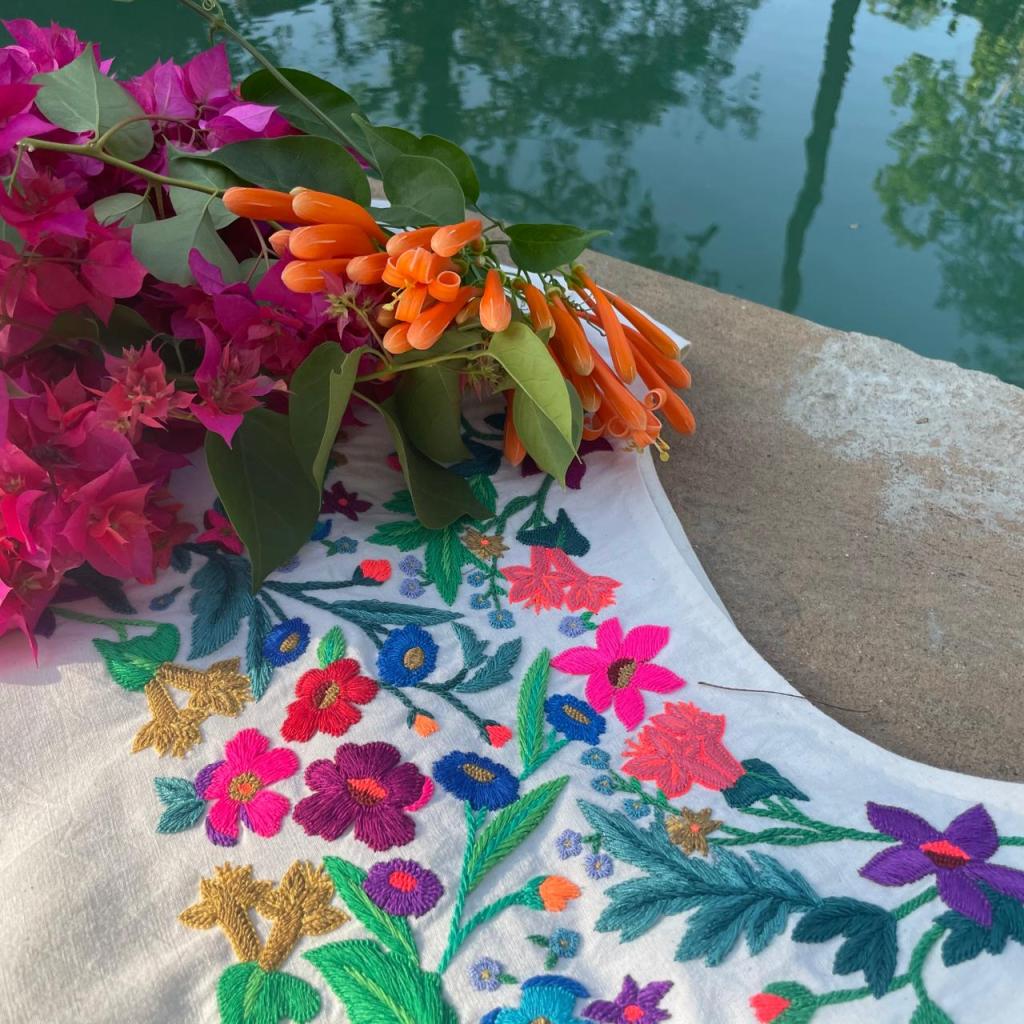
She aimed to create a small and organic brand that celebrated the karigar and with products that were affordably priced. Too often, she says, sustainable and handmade clothing is associated with unreasonably high price tags. With a focus on reinventing traditional embroidery techniques through a modern lens, S24 P designs draw inspiration from Mexican art, Peruvian designs and even old Victorian aesthetics. A lot of it is nature-inspired with floral, leaf and animal motifs.
Sosha’s two daughters, both of whom also have design degrees, work with her on creating the art. Her older daughter works fulltime as a motorcycle designer at the TVS facility in Hosur but still plays a big part in the creative aspect of the business. Approximately 50-60% of the designs in the collection are produced by her, Sosha says. Her younger daughter is the face of the brand and models many of the styles in the collection.
The mother and daughters sketch the designs on paper and then send them to the karigars who work on transferring them onto fabric panels. Once completed, the panels are sent back to Bangalore where Sosha’s local team attaches them to clothing made in their small Kengeri facility. The clothing is fashioned from natural materials – largely cotton and khadi – as well as some recycled fabrics.
They get leads and order requests entirely through Instagram, and Sosha says she relishes the connections made with customers through this medium.
“I have resisted putting up a website because that just feels impersonal. I like being able to receive and respond to messages from customers. Many of them subsequently send us pictures of them wearing the clothing during trips and other occasions. We have made so many friends through this venture.”
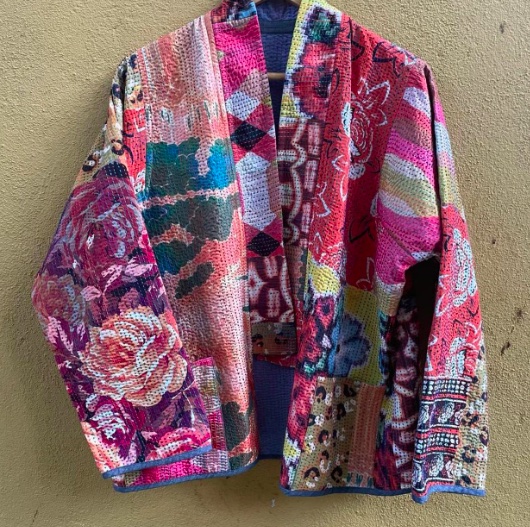
S24 P now works with close to 20 artisans from the West Bengal district. The men work on the embroidery while the women put together the colorful kantha jackets in the collection. These are made by stitching together fabric remnants as well as pieces of vintage silks that Sosha picks up during her travels. The jackets sell out quickly, Sosha says, because each piece is unique and cannot be replicated.
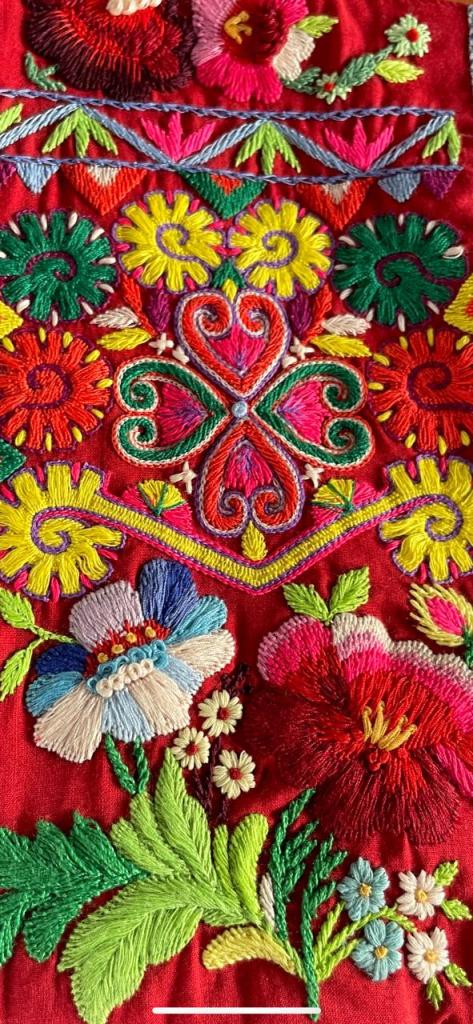
Some attributes of hand embroidery are just not achievable through machine embroidery, Sosha says, even if the latter is the norm in mass production.
“The advantage of hand embroidery versus machine work is that you can incorporate 30 to 40 colors while there are only 8 to 9 possible with computers involved.”
But, she says, there is also expertise involved in machine embroidery and that needs to be given its due. She is currently working with a ‘brilliant’ machine embroiderer and also exploring the possibilities with kasuti work – an embroidery skill that is native to Karnataka.
Not only does the brand receive a lot of customer love, it’s also getting attention for its success in leveraging craft skills to create premium and quality products. Sosha would like to see if they can replicate the model with other groups and forms of embroidery. She has recently been contacted by an NGO that works with the Siddis, a marginalized ethnic community based largely in North Karnataka, and is now looking at the possibility of creating beautiful and marketable products in collaboration with them.
“The biggest challenge lies in taking current skills and coming up with modern and scalable designs that can convert to orders”, Sosha says.
That’s the gap that creative entrepreneurs like Sosha are able to fill.
To order S24 P products or discuss collaborations, message Sosha via Instagram at @S24_parganas
 small & S..L..O..W
Leave a comment